
How a leak is actually traced
It starts from above, not below. The suspect area is worked out from the geometry of the roof space and the direction the water is travelling, then the roof is inspected at the details that fail: flashings, penetrations, valleys, laps, ridge capping and fasteners. Most leaks are at a junction, not in the field of a sheet.
Where it is not obvious, controlled water testing finds it. One section is wetted at a time, in sequence, starting low and working up, with someone watching inside. It is slow and it is conclusive, which is more than can be said for sealing the wettest looking spot and hoping.
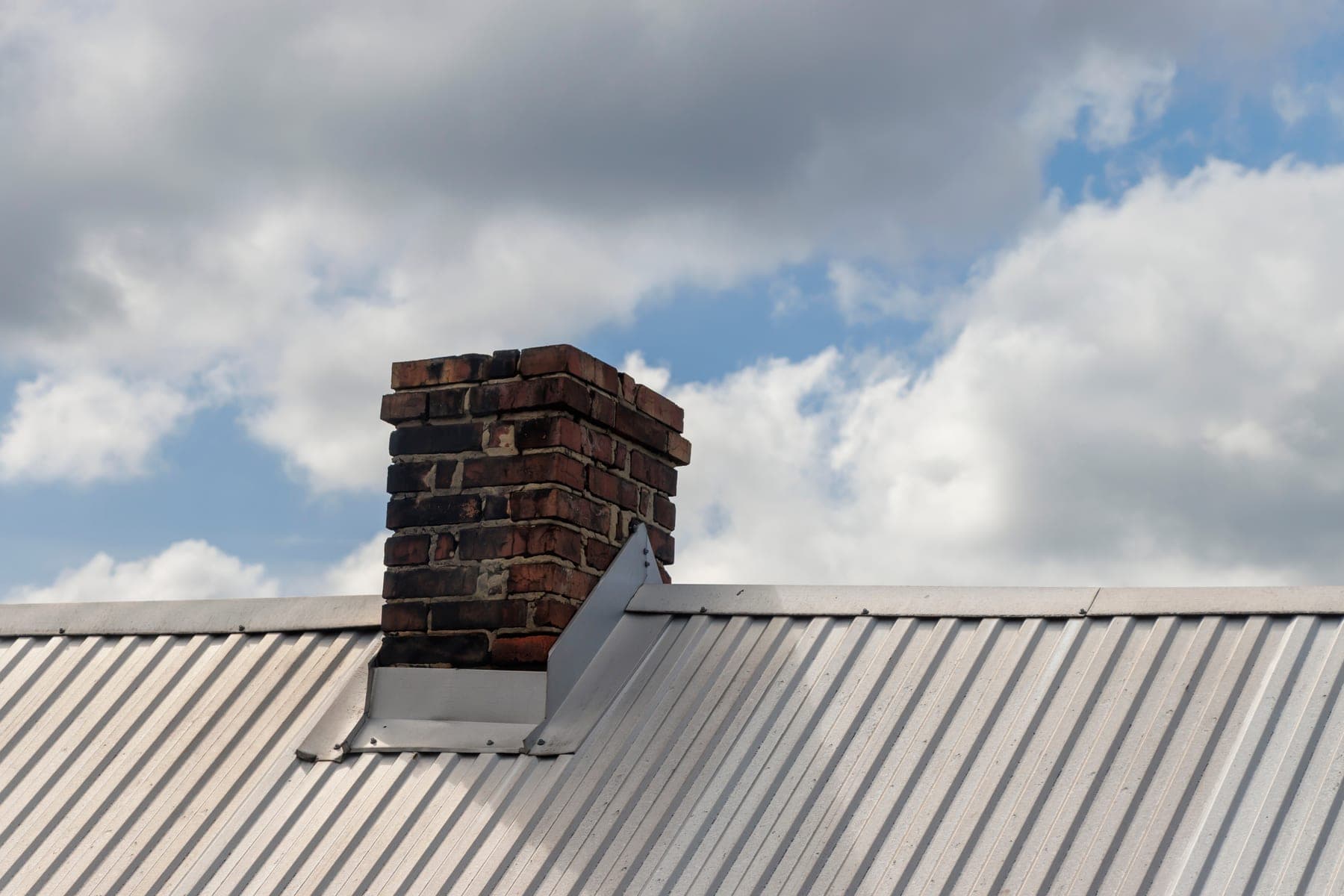
The common culprits are consistent: ridge capping that has lifted, a flue or vent flashing whose seal has perished, a valley full of debris that is backing water up under the sheets, fasteners that have backed out and lost their washer compression, and box gutters or parapets that overflow inward. If a leak only shows in wind-driven rain, it is usually a lap or a flashing overlap that is fine under vertical rain and not under horizontal.